
Outdoor NFL Games Are a Weather Bet as Much as a Football Bet
December 2024, a late-season game at Soldier Field. The wind was gusting above 25 miles per hour, and I had already locked in the under before the forecast was public knowledge. The game finished with a combined 27 points, well beneath a total that had opened at 42.5. Weather is the most underpriced factor in NFL totals betting, not because booksmakers ignore it, but because they adjust lines later and less aggressively than the data warrants.
The NFL plays roughly 60% of its regular-season games outdoors. That is over 150 games per season exposed to wind, rain, snow, and temperature extremes — each of which affects scoring in measurable ways. Totals bettors who treat every game the same, regardless of venue and conditions, are leaving one of the simplest analytical edges on the table.
Wind Speed and NFL Totals: The Threshold That Matters
Not all wind is created equal in the context of NFL scoring. Sustained winds below 10 miles per hour have no statistically meaningful impact on game totals. Between 10 and 15 mph, the effect is marginal — perhaps half a point to a point of scoring suppression on average. The threshold where weather becomes a genuine factor sits at roughly 15 mph sustained, and above 20 mph the impact is dramatic.
Games played with sustained winds above 20 mph have historically produced scoring totals roughly 4—6 points below the closing line, a gap that is enormous in a market where half a point of edge matters. The mechanism is straightforward: wind disrupts the passing game, reduces field goal accuracy beyond 40 yards, and compresses offensive strategies toward the run. Since modern NFL offences are built around the pass, anything that degrades passing efficiency hits the scoreboard hard.
I maintain a database of games played in winds above 15 mph and track the under hit rate against the closing total. Over the past five seasons, the under has hit at approximately 58%—60% in those conditions, compared to a league-wide baseline of roughly 50%. That ten-percentage-point advantage is significant, and it persists because sportsbooks adjust totals by one to two points for wind while the actual scoring impact is often three to five points.
The challenge is information timing. Wind forecasts become reliable only 24—48 hours before kickoff, and the most accurate readings come within 12 hours. By the time you have high-confidence wind data, the line has already moved. The edge goes to bettors who monitor weather models early, form a view before the market adjusts, and act before the line catches up. Waiting until Sunday morning typically means the value has been priced out.
Precipitation and Cold: Scoring Suppression by the Numbers
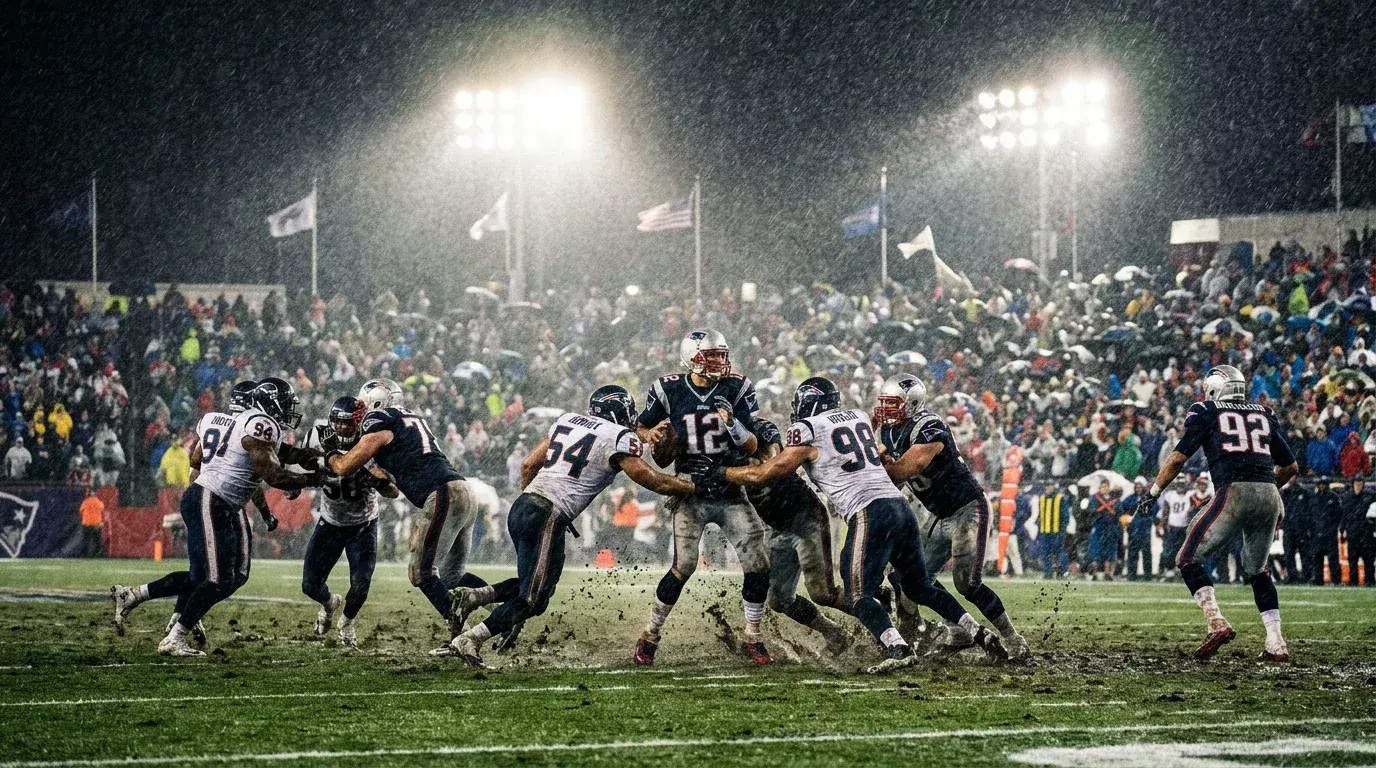
Rain and snow affect NFL totals through different channels than wind. Precipitation does not reduce passing distance the way wind does, but it degrades ball security, increases fumble rates, and makes receivers less reliable on breaking routes. Snow is more disruptive than rain — it obscures field markings, slows players on cuts, and turns every contested catch into an adventure.
The data on precipitation and totals shows a smaller but consistent effect. Games played in rain have scored roughly 1.5—2.5 points below the closing total on average over the past decade. Snow games show a larger suppression of 3—4 points, though the sample of snow games is smaller and concentrated among a handful of cold-weather venues — Buffalo, Green Bay, Chicago, Cleveland, and a few others.
Cold temperature by itself, absent wind or precipitation, has a weaker impact than most bettors assume. Games played below freezing but in calm, dry conditions show only a marginal scoring reduction compared to temperate-weather games. The reason is that modern NFL equipment — heated benches, hand warmers, advanced glove technology — mitigates the direct effect of cold on player performance. It is the combination of cold and wind, or cold and precipitation, that produces the severe scoring suppression. A 15-degree game with 20 mph wind gusts is a fundamentally different betting proposition from a 15-degree game under clear skies.
Dome and Retractable-Roof Stadiums: Totals Baseline
Nine NFL teams play in fully enclosed or retractable-roof stadiums, which creates a permanent weather-neutral environment and establishes the clearest baseline for indoor scoring. Dome games eliminate wind, precipitation, and temperature as variables, isolating the totals bet to pure offensive and defensive matchup analysis.
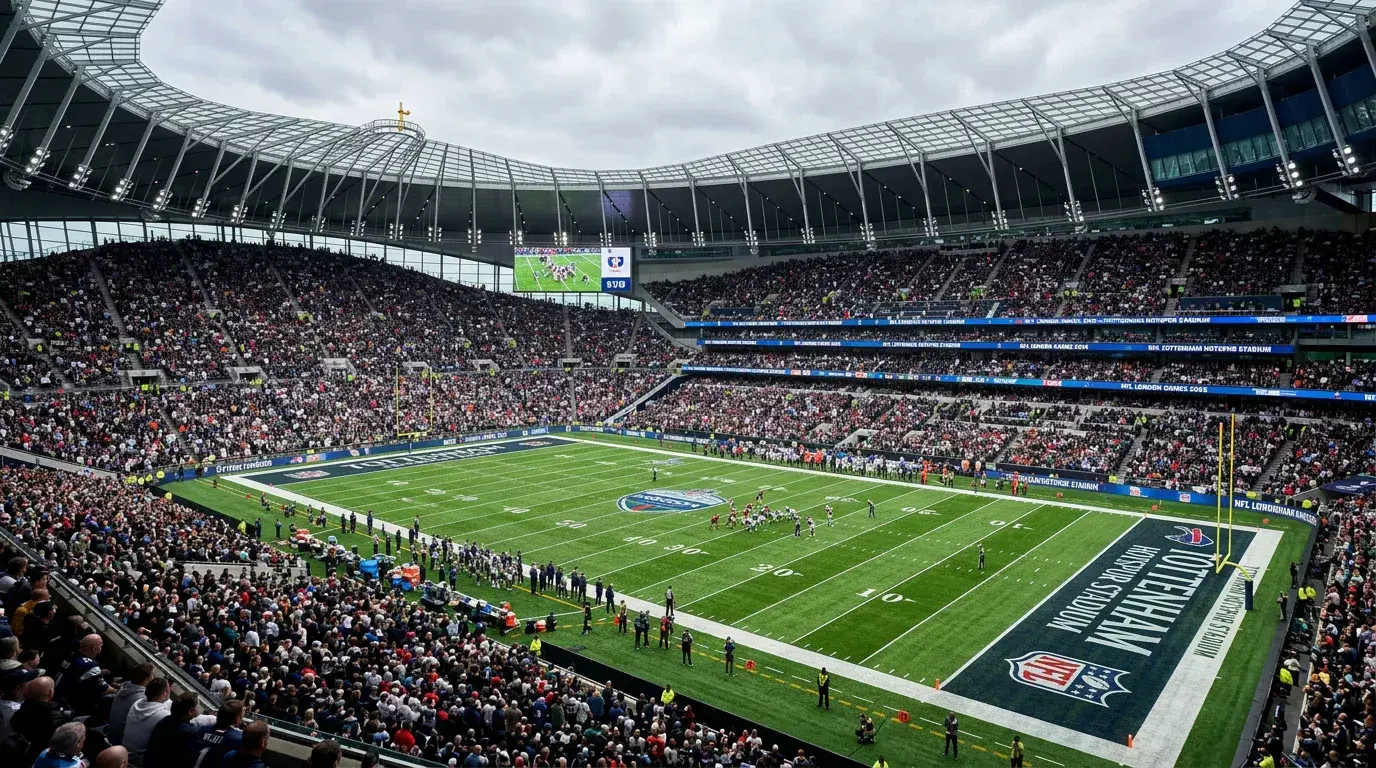
The NFL International Series games — including the London fixtures that drew a record 6.2 million average viewers on NFL Network in 2025 — add another layer. Tottenham Hotspur Stadium’s retractable roof means London games function as dome games for totals purposes, while Wembley is open-air but typically played in mild October conditions. For UK bettors, this distinction matters: a London game at Spurs should be evaluated against the indoor scoring baseline, not the outdoor one.
Historically, dome games have gone over the posted total at a slightly higher rate than outdoor games, typically 52%—53% versus the outdoor baseline of 49%—50%. The margin is slim, which suggests that oddsmakers price dome environments reasonably well. The value in dome game totals is not in blindly backing the over but in recognising that when a dome game total is set lower than expected — perhaps because one team runs a defensive scheme that suppresses scoring — the floor for combined points is higher than it would be in the same matchup outdoors.
For the broader totals trends that underpin these weather-specific findings, the full league-wide over/under analysis covers scoring cycles, team-level splits, and how key totals numbers shape the market.