Player Props Are the Fastest-Growing NFL Bet Type — and the Most Controversial
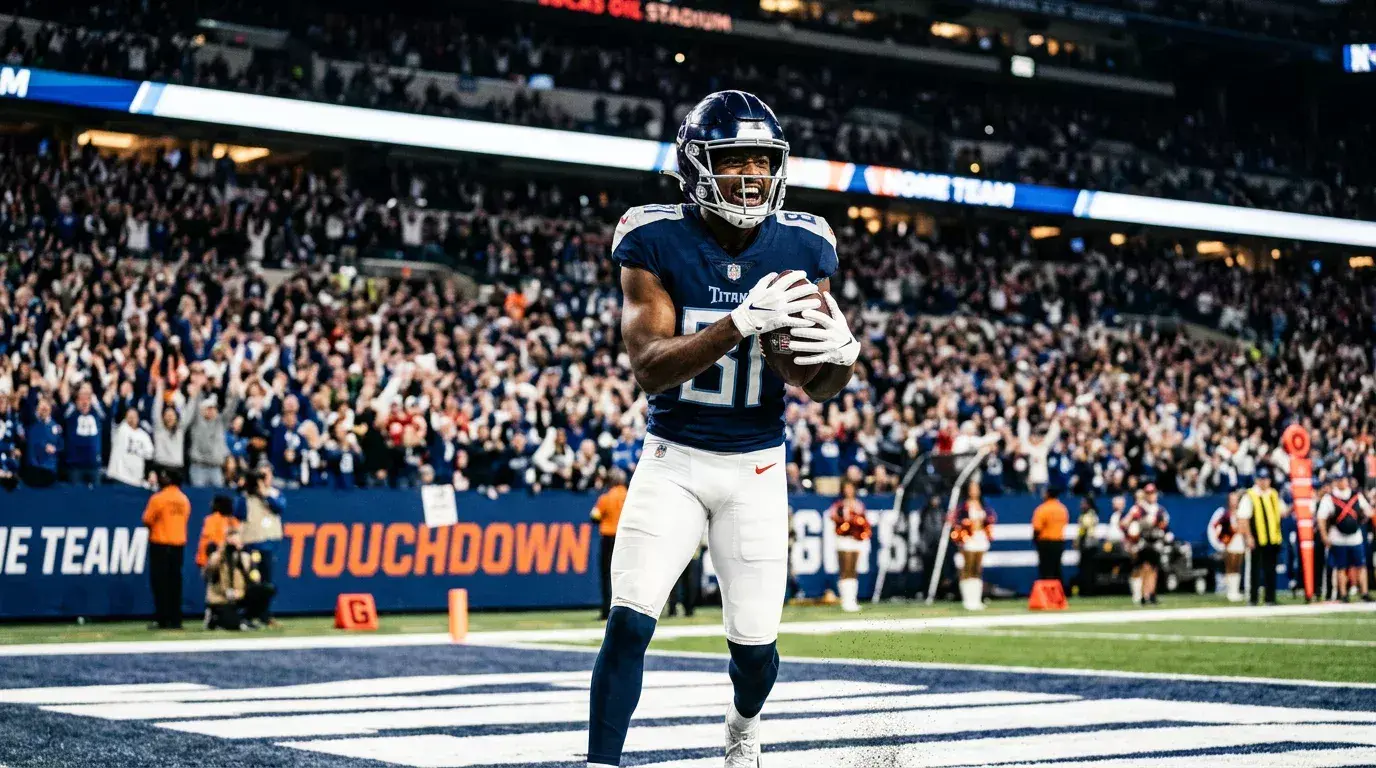
Three years ago, I could name every prop market offered on a standard NFL game at a UK sportsbook: anytime touchdown scorer, first touchdown scorer, total passing yards for each quarterback, and perhaps a handful of receiving or rushing yardage lines. Today, a single game might list over three hundred individual prop markets. That explosion has reshaped how people engage with NFL betting, particularly in Britain, where Entain reported a 90% year-on-year increase in stakes on player props — specifically the anytime touchdown scorer market — during the 2024/25 season.
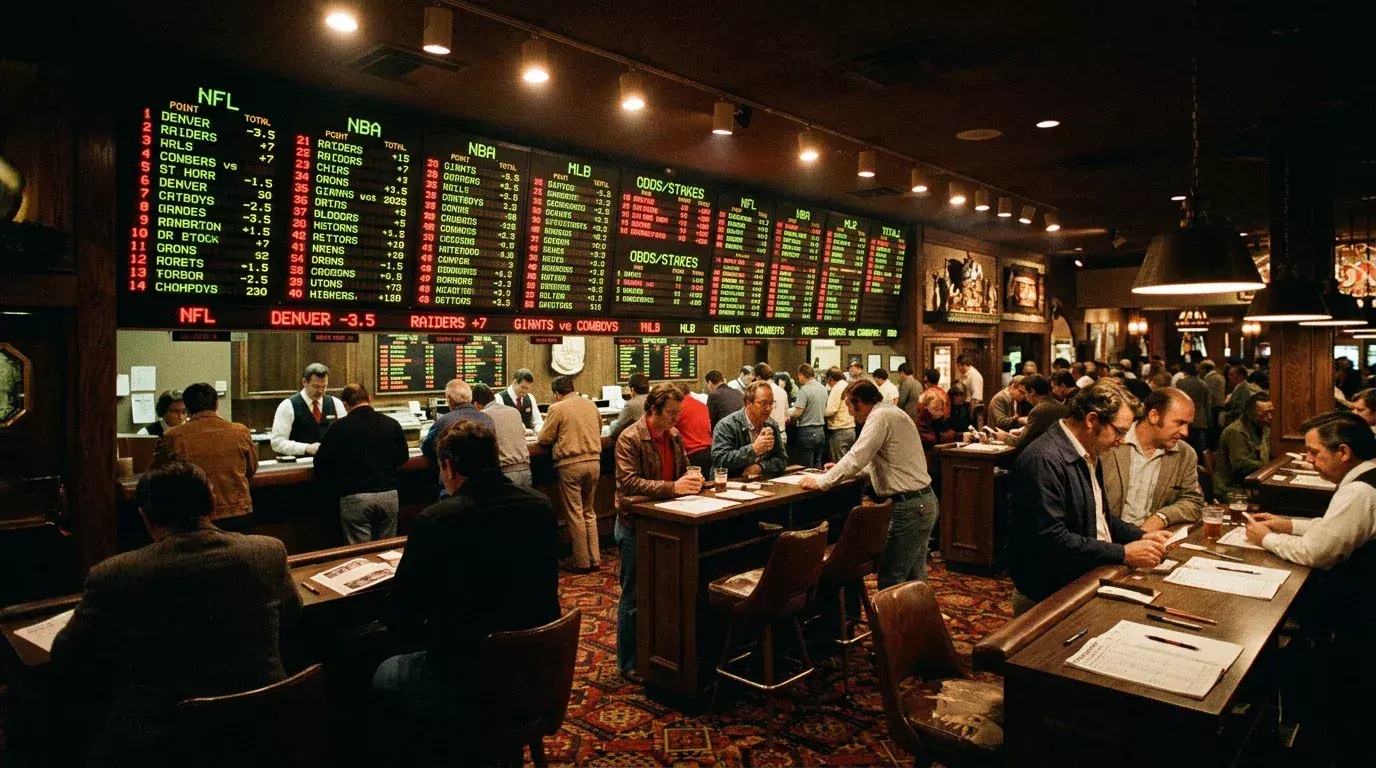
Props appeal because they personalise the bet. You are not wagering on a team outcome; you are wagering on a player’s performance within a game. That feels more intimate, more skill-based, and more connected to the broadcast you are watching. It is also, by the data, more profitable for sportsbooks. Prop markets carry wider margins than spreads or totals, and the sheer volume of available selections means bettors place more bets per game, compounding the house edge across their session.
But the growth of props has introduced a problem that neither the NFL nor regulators have fully solved: integrity risk. When you can bet on whether a specific player will record under 0.5 receptions, you have created a market that a single individual can directly influence. That tension between commercial growth and competitive integrity sits at the centre of the biggest policy debate in NFL betting right now.
Prop Bet Volume and Growth Across US and UK Markets
The numbers behind prop growth are staggering on both sides of the Atlantic. In the US, player props now account for an estimated 25%—30% of all NFL handle at major sportsbooks, up from under 10% five years ago. Same game parlays, which are overwhelmingly built from prop selections, amplify this further — a four-leg SGP typically includes at least two player props, meaning the actual exposure to prop outcomes is even larger than the standalone prop handle suggests.
In the UK market, the trajectory mirrors the US but from a smaller base. Entain’s data showing a 90% increase in prop staking reflects both the growing NFL fanbase in Britain and the increased availability of prop markets from UK-licensed operators. Five years ago, a UK bettor wanting to wager on Derrick Henry’s rushing yards had to seek out a US-facing book. Today, every major UK sportsbook lists comprehensive NFL player prop markets, often with competitive lines that rival their American counterparts.
NFL VP of Security Lisa Lanier has discussed how the league monitors these markets in real time, flagging instances where sportsbooks move lines dramatically without a corresponding injury report or public information change. That monitoring infrastructure has become essential as the volume of prop bets creates more data points that could signal irregular activity. The scale of the market means even small anomalies — a sudden surge of money on a specific player’s under line — trigger automated alerts that did not exist three seasons ago.
The NFL’s 2025 Memo and the Prop Bet Integrity Debate
In November 2025, the NFL circulated an internal memorandum that made its position unmistakable. The league described the proliferation of certain prop bet categories as having a “corrosive effect” on the sport and called for restrictions on markets that involve individual player performance statistics easily influenced by a single person. The memo did not name specific sportsbooks, but its target was clear: low-threshold props like “player to record under 0.5 receptions” or “player to have under 15 rushing yards” — bets where a deliberate non-performance could determine the outcome.
The memo arrived in the wake of a turbulent period for NFL betting integrity. Ten players were suspended in 2023 for violating the league’s gambling policy, including placing bets on NFL games. No additional suspensions followed in 2024 or 2025, but the 2023 wave exposed how close the intersection of player access and betting markets had become. Several of the suspended players had bet from team facilities, underscoring the ease with which the boundaries could be crossed.
The five-year contracts the NFL signed with its official betting partners beginning in 2021 are worth approximately $1 billion collectively. That revenue creates an obvious tension: the league profits enormously from the betting ecosystem while simultaneously arguing that parts of that ecosystem threaten competitive integrity. The memo was an attempt to thread that needle — signal concern to regulators and the public without dismantling the commercial relationships that fund a growing portion of the league’s revenue.
For a complete picture of how this tension plays out across regulatory frameworks, the integrity and regulation analysis covers the enforcement side in depth.
Accessing NFL Prop Markets From UK Sportsbooks
UK bettors have a structural advantage when it comes to NFL props: the UKGC-licensed market is mature, well-regulated, and offers prop coverage that has expanded significantly over the past three seasons. The main difference from the US market is breadth. A major US sportsbook might list 400 prop markets for a Sunday Night Football game; a UK operator typically lists 80—150. The core markets — anytime and first touchdown scorer, yardage overs and unders for quarterbacks, and team-level props — are universally available. Niche lines, such as exact reception counts or specific quarter scoring, are less consistently offered.
Odds format is a practical consideration. US prop lines are quoted in American format, which means most of the analytical content you find online — sharp money movements, line comparison tools — uses +/- notation. UK books default to decimal or fractional. The conversion is straightforward but matters when you are comparing value across markets. A prop listed at -125 in the US translates to 1.80 decimal; if your UK book offers 1.85 on the same line, that difference is meaningful over volume.
One thing I have noticed over nine years of tracking NFL props across both markets is that UK books tend to be slightly slower to adjust prop lines after injury news breaks. The reason is simple: the NFL is not their primary sport, and their trading desks are staffed to react first to Premier League and Champions League movements. For an attentive NFL bettor in the UK, that latency occasionally creates short-lived value windows on player props that would vanish in seconds on a US platform.